- A+
Introduction
Printing is an essential part of our daily activities. However, printers produce a lot of waste, including ink and toner cartridges, papers, and used printheads. Another waste product of printers is the ink absorber or waste ink pad, which absorbs the ink droplets released during the cleaning process of the printhead. In this article, we will delve into the printer waste ink pads and their principle of operation, including a collection of diagrams and illustrations to help you understand better.
Principle of Operation of Ink Absorber Pads
Ink absorber pads work based on the principle of capillary action. The pads are porous, made of carbon or sponge-like materials, and are positioned at the bottom of the printer. When the printhead goes through the cleaning process, it releases ink droplets onto the absorber pad. The pad absorbs the ink due to capillary action and stores it until the pad is saturated.
Why are Ink Absorber Pads Necessary?
Ink absorber pads play a significant role in maintaining the performance of inkjet printers. When the printhead is cleaning, it releases trace amounts of ink droplets, which could settle on the bottom plate of the printer. The accumulation of ink over time could lead to several issues, such as smudging of ink on the printed pages, as well as clogging of the printheads. Ink absorber pads thus prevent these issues by collecting all the ink droplets released during the cleaning process.
How to Know When the Ink Absorber Pad is Full?
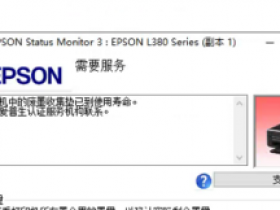
A printer's ink absorber pad has a limited capacity and, at some point, requires replacement. When the ink absorber pad reaches its limit, the printer will notify its user with an error message. Typically, the printer display will show a message indicating that the "Waste Ink Absorber is Full" or "Waste Ink Tank Full/Overflow." The error message is a sign that the ink absorber pad needs replacement.
Consequences of Not Replacing the Ink Absorber Pad
When the ink absorber pad is full, and the printer user continues to print without replacing it, the ink could overflow and cause severe problems. One of the significant consequences of not replacing the ink absorber pad is a clogged printhead, which could render the printer useless. Additionally, the ink overflow could cause damage to the printer's internal components or even pose a fire hazard.
Replacing Ink Absorber Pads
Replacing the ink absorber pads varies depending on the printer model and brand. Some printers have a replaceable ink absorber pad assembly, while others have inbuilt absorber pads that require disassembly of the printer for access. In some cases, printers come with a waste ink bottle, which is designed to catch the ink overflow. When the bottle is full, the printer user can replace the bottle and dispose of the waste ink safely.
Conclusion
The ink absorber pad is a crucial component of inkjet printers. It aids in the maintenance of the printer's performance by collecting all the ink droplets released during the printhead cleaning process. Failure to replace the ink absorber pad when it is full could cause significant problems such as clogging of the printhead or damage to the printer's internal components. With the knowledge provided in this article, you can understand better the principle of operation of ink absorber pads and the need for their replacement, thereby prolonging the life of your printer.
- 我的微信
- 这是我的微信扫一扫
-

- 我的微信公众号
- 我的微信公众号扫一扫
-